PICQLY

An image-to-prompt platform for instant answers

Designed and helped shape PICQLY, an AI-powered visual question-answering platform that enables users to upload images or screenshots and receive instant, context-aware answers. Led brand definition and early product thinking, including identity exploration, positioning, messaging, and mobile-first experience design with scalability to web. Focused on simplifying how users interact with AI by reducing the need to manually describe visual context, resulting in a faster, more intuitive way to turn images into actionable insight.

My Role: Product Designer, Brand Designer, UX Designer

Members: 3

Time: 9 months

Tools Used: Figma, Adobe Illustrator

PICQLY Design Images

Problem

AI tools often require users to describe visual context in text, creating friction and slowing down the path to answers.

Solution

PICQLY turns images into instant, AI-powered answers through a simple, visual-first experience that delivers clarity in seconds.

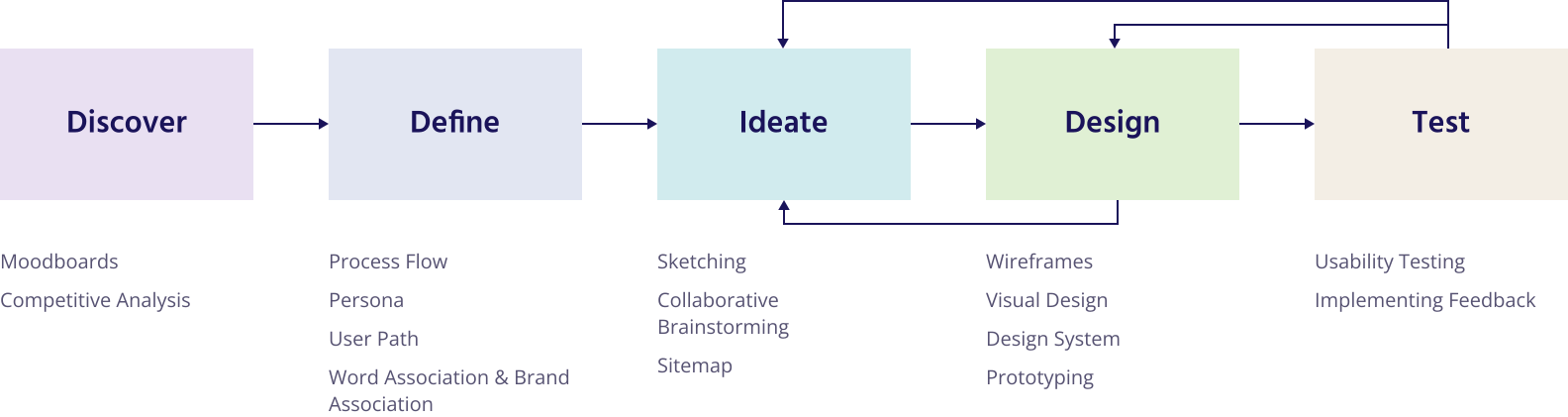
Design Process

Design Process

Research & Discovery

Research explored how users interact with AI when working from images and screenshots. Insights showed that users value speed, context, and guidance—especially when they are unsure how to frame the right question. Patterns in early concept exploration highlighted the need for inspiration and continuity, leading to features such as trending topics to surface common questions, a dashboard to organize previous chats, and configurable AI options for more targeted use cases. These insights shaped a mobile-first experience designed to reduce friction and help users move from image to answer with confidence. To accomplish this, I took advantage of these research techniques:

Competitive Analysis

Personas

Process Flows

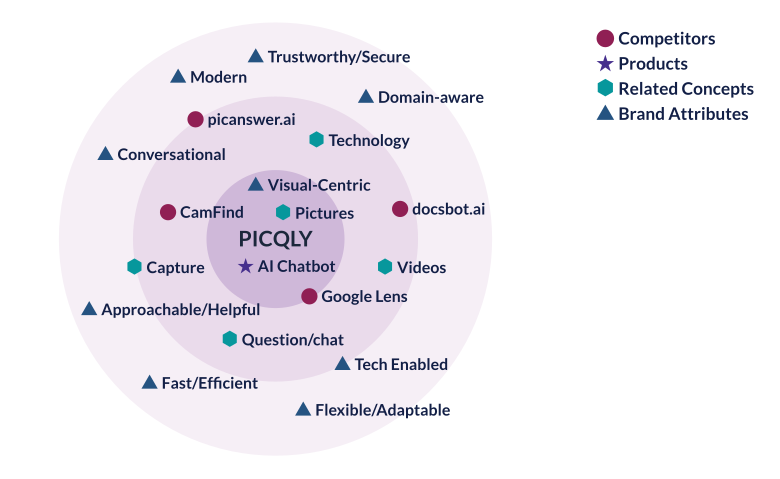
Word Association & Brand Association

Brand Association

Ideate

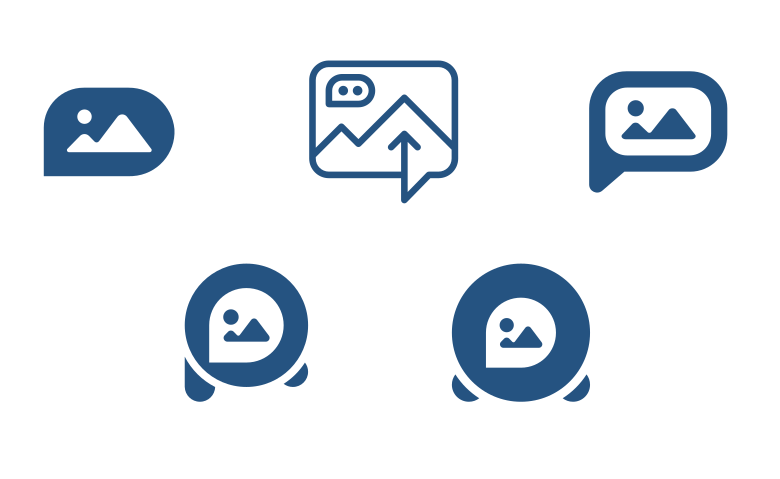
Logo Concepts

Sketching

After aligning on PICQLY's core purpose and functional goals, I began sketching to explore visual directions for the brand and product identity. This phase focused on translating the concept of image-based question answering into simple, scalable forms suitable for mobile and web. Rapid, low-fidelity sketches allowed for quick iteration across logo concepts, iconography, and interface ideas, helping refine clarity, hierarchy, and usability before moving into digital execution.

Proof of Concept (Phase 1)

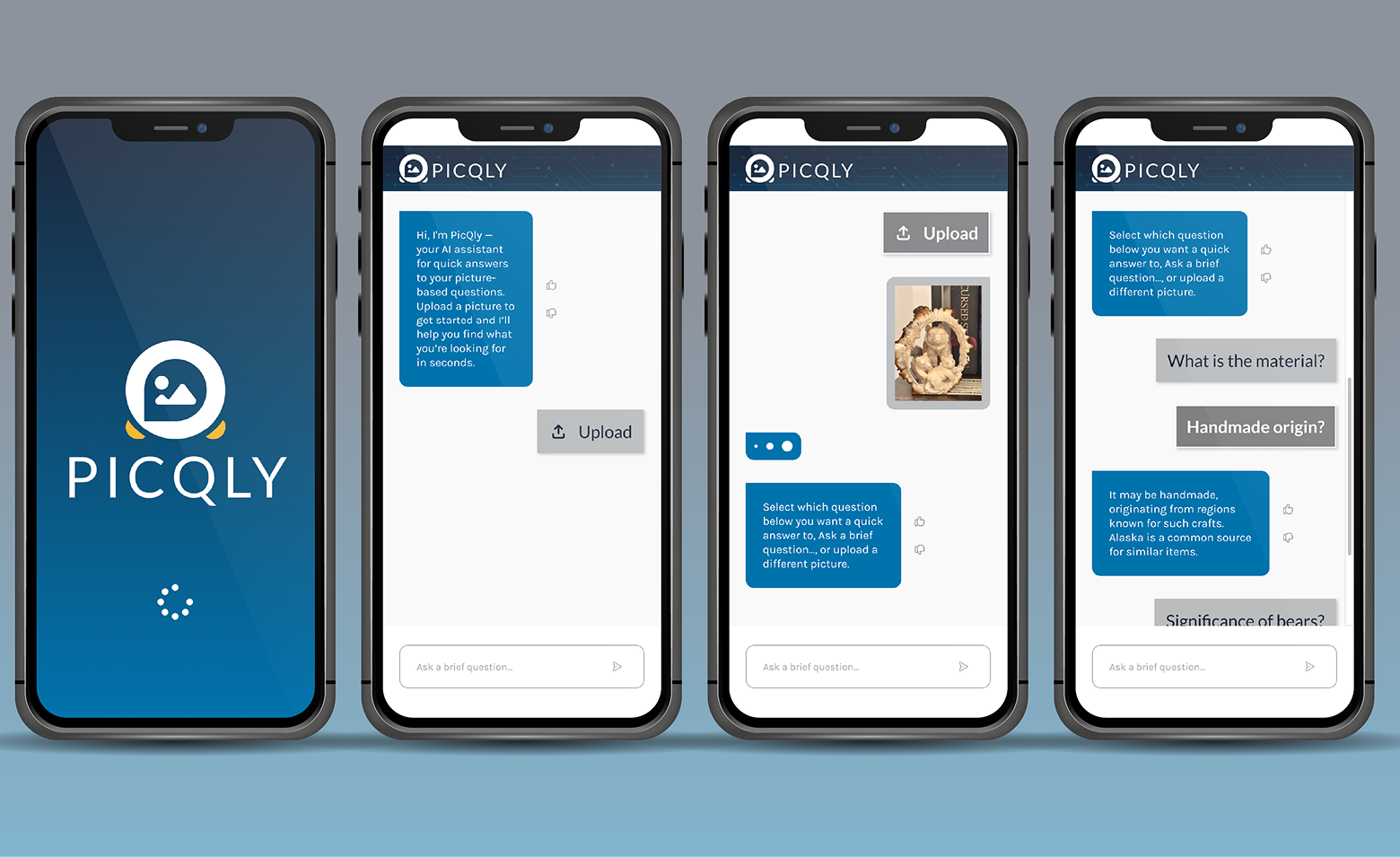
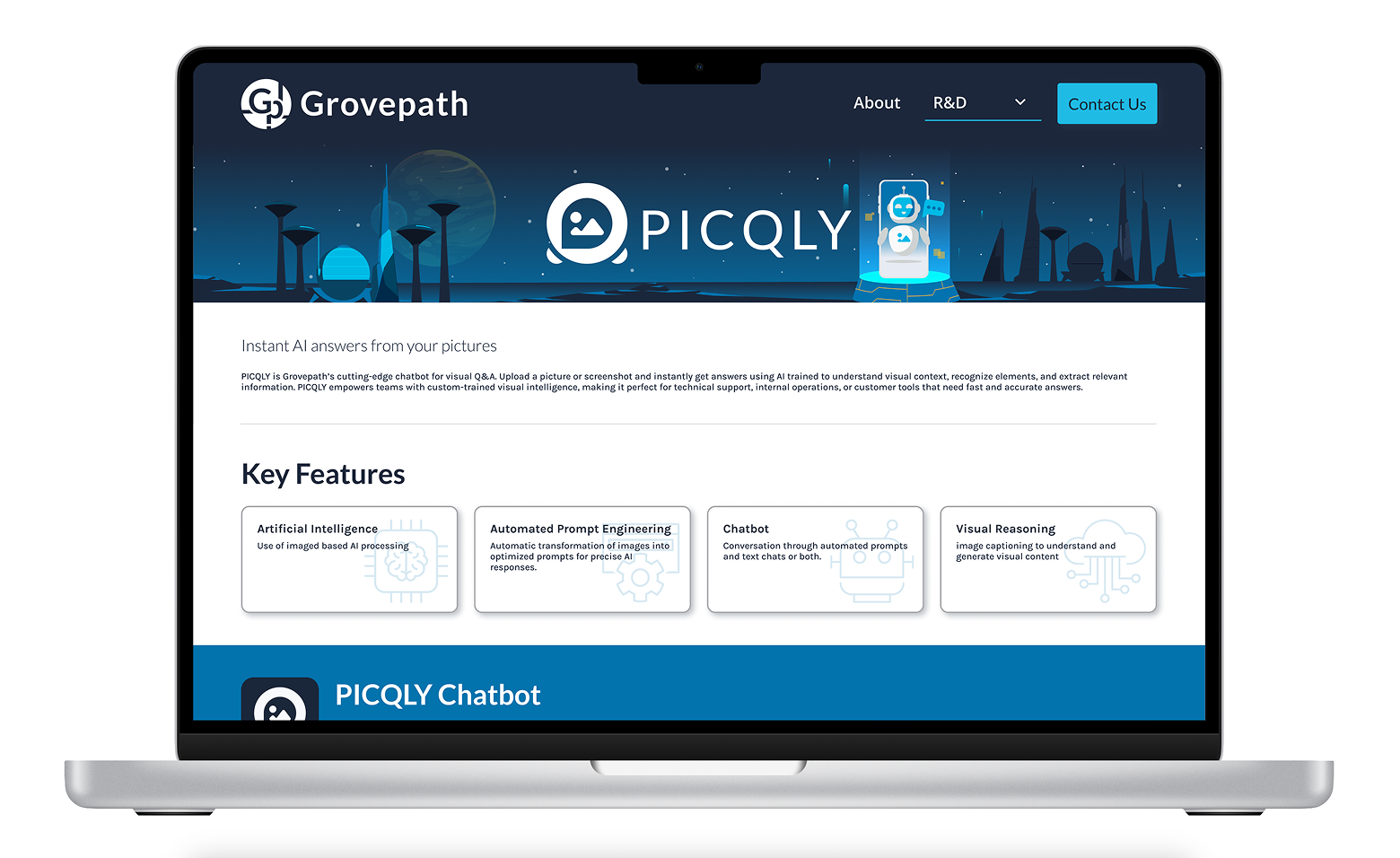
After creating wireframes and mockups that aligned with the Grovepath branding and their research and development, I created a proof of concept for PICQLY. This later changed to be a completely separate entity and requiring a new look and feel as well as an expansion of its features.

PICQLY Prototype Phase 1
PICQLY Grovepath Research and Development

Brand Design (Phase 2)

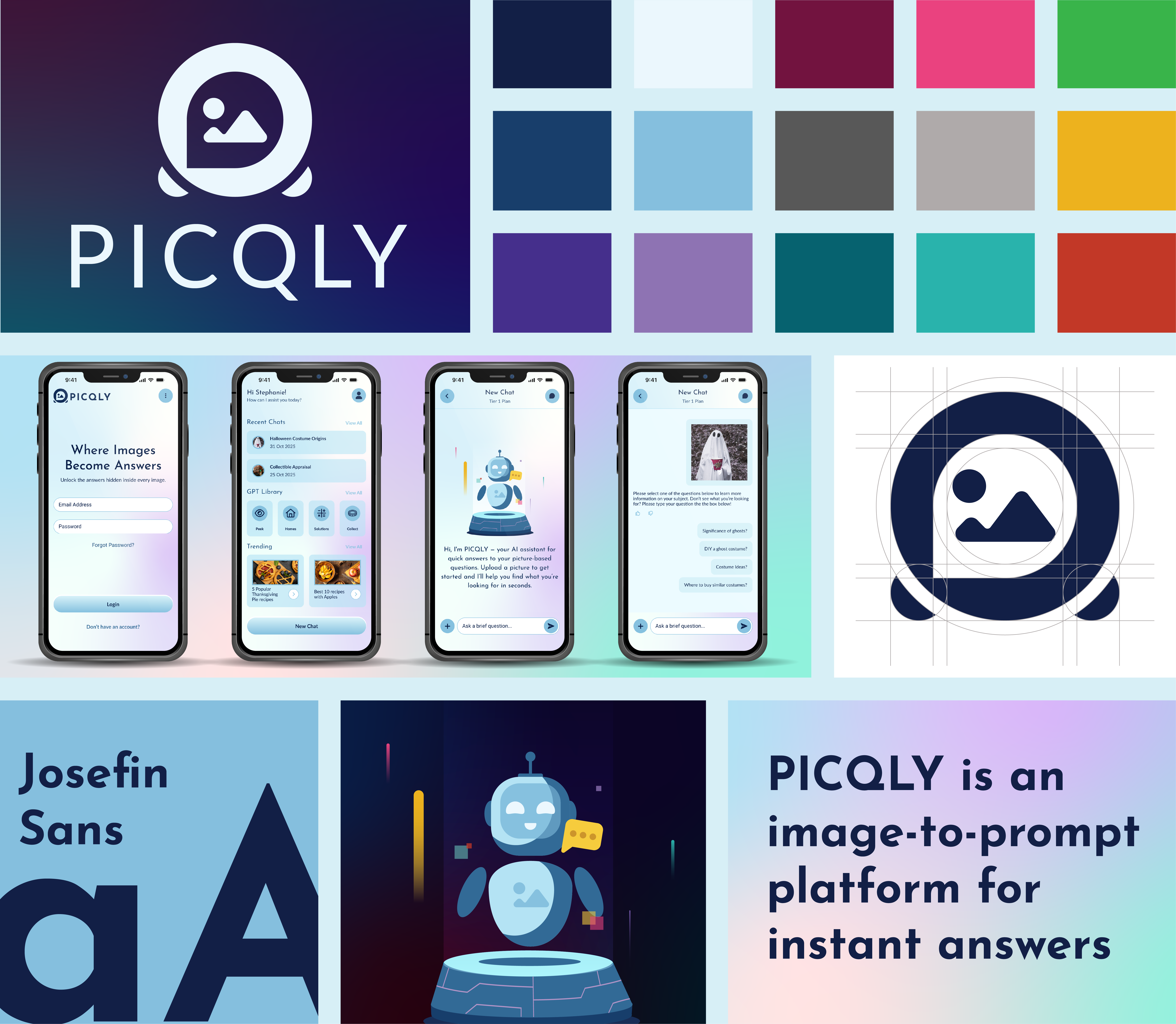
After PICQLY split from Grovepath, I created a new look and feel that would closely align with the brand values.

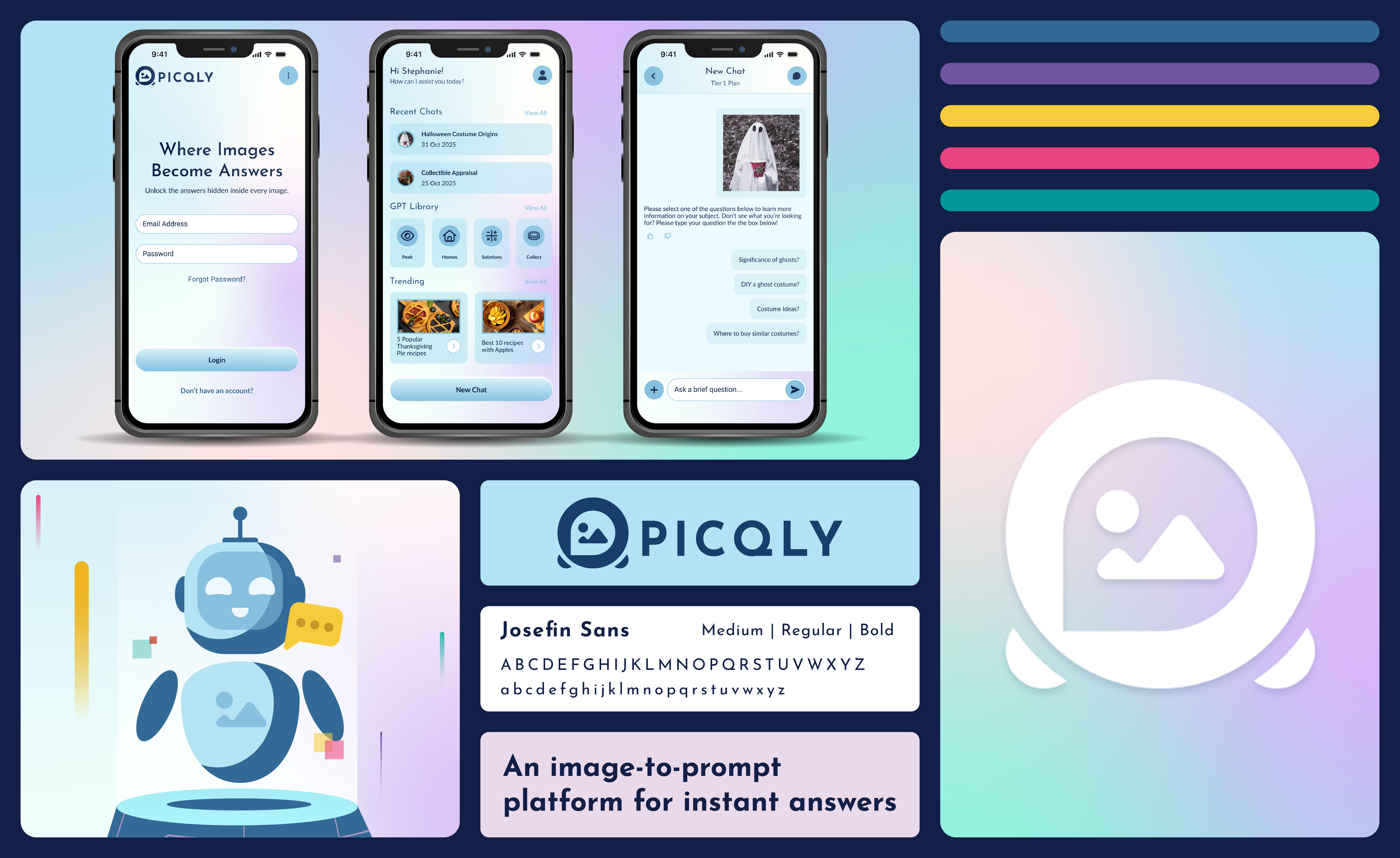
Light Mode Branding
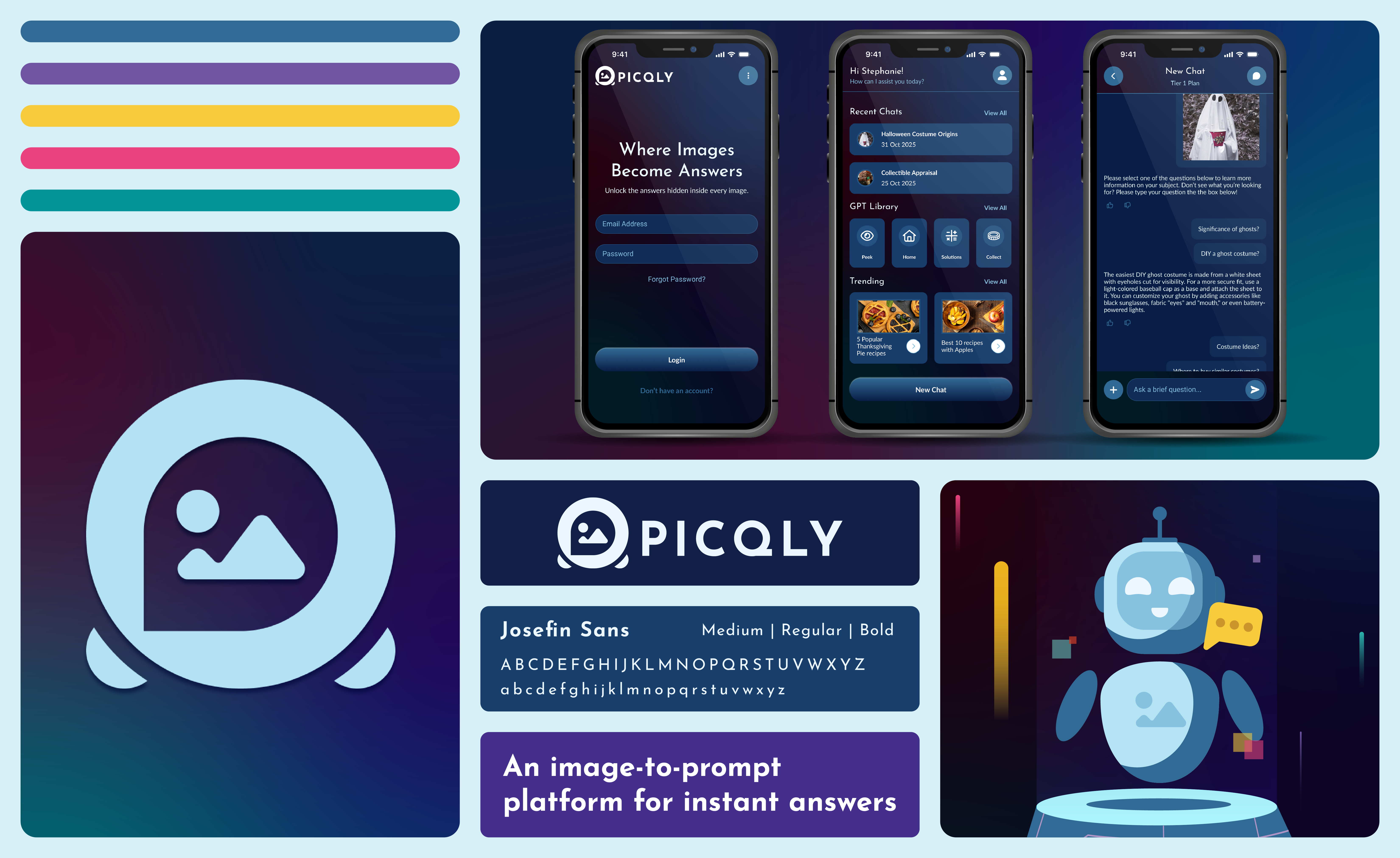
Dark Mode Branding

Hi-Fi Mobile Prototype Screens

Hi-Fi Prototype Screens

Light Mode Prototype

Dark Mode Prototype

Final Thoughts

Designing PICQLY reinforced the importance of reducing friction between users and complex technology. By making images the starting point for interaction, the product transforms how people ask questions and find answers. This project highlighted the value of aligning brand, product thinking, and user experience to create an AI tool that feels intuitive, approachable, and impactful across both personal and professional use cases.