Canada Council for the Arts Website Redesign

Making Arts Funding Easier to Find

This concept redesign improves how artists discover and apply for funding through the Canada Council for the Arts. Research revealed unclear calls to action, complex navigation, accessibility concerns, and homepage content that did not immediately communicate the organization's purpose.

I redesigned the responsive experience around clearer funding pathways, simplified navigation, accessible visual choices, and more relevant content.

My Role
UX/UI Designer
Project Length
5 weeks
Responsibilities
User Research, Heuristic Evaluation, Competitive Analysis, Information Architecture, Wireframing, Prototyping, Usability Testing, Visual Design
Collaboration
Two-person team during Discover and Define; independent design and testing thereafter
Tools
Adobe Illustrator, Figma, InVision
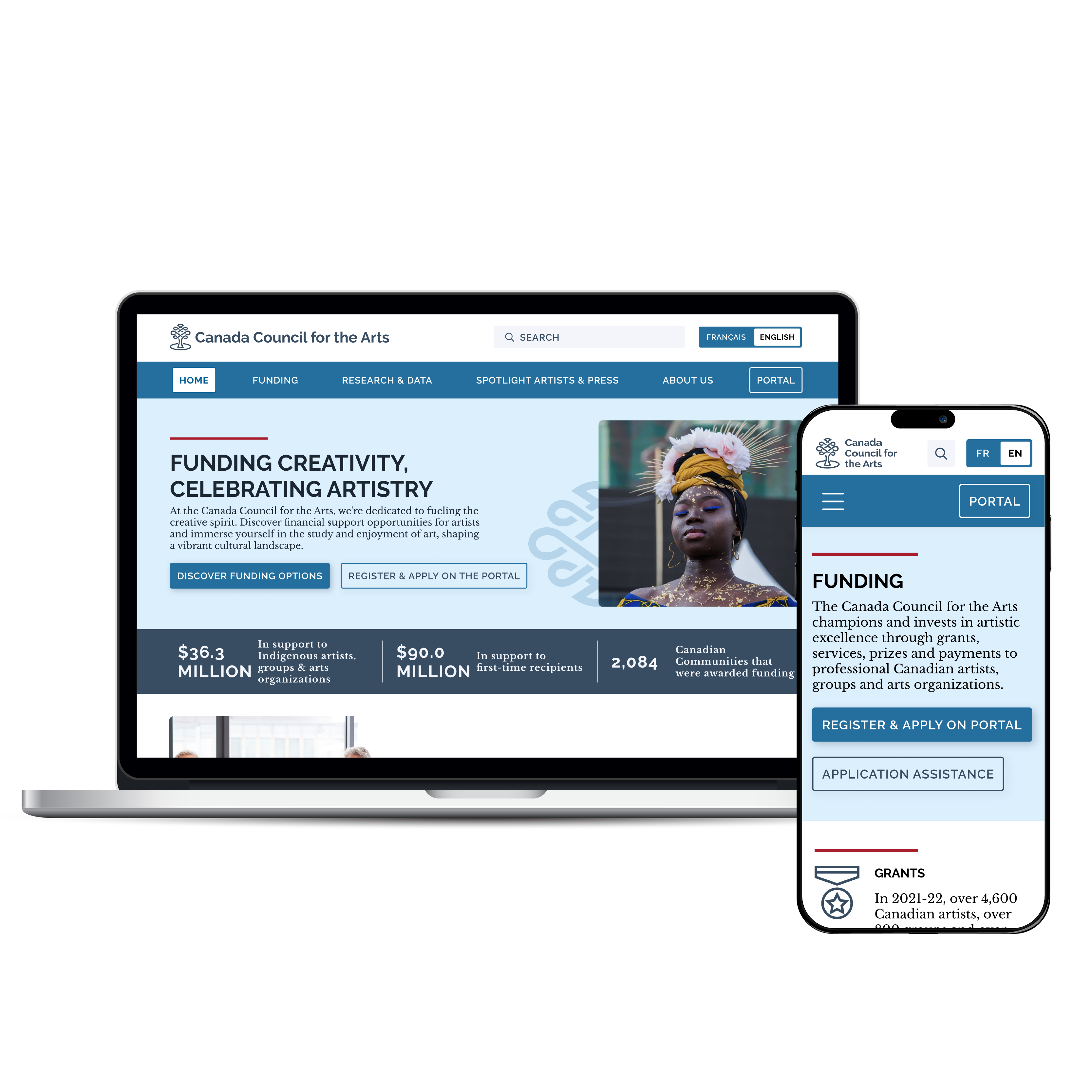
Redesigned Canada Council for the Arts website on desktop and mobile

The Challenge

Artists visiting the website needed a clearer way to understand available funding and begin the application process. The existing experience presented dense homepage content, inconsistent interface treatments, unclear calls to action, and a navigation structure that made important resources difficult to locate.

The Solution

I created a responsive redesign that prioritizes funding discovery, simplifies the site structure, clarifies calls to action, and introduces a more accessible and cohesive visual system. The new experience guides artists from understanding available support to selecting a grant and entering the application portal.

Design Process

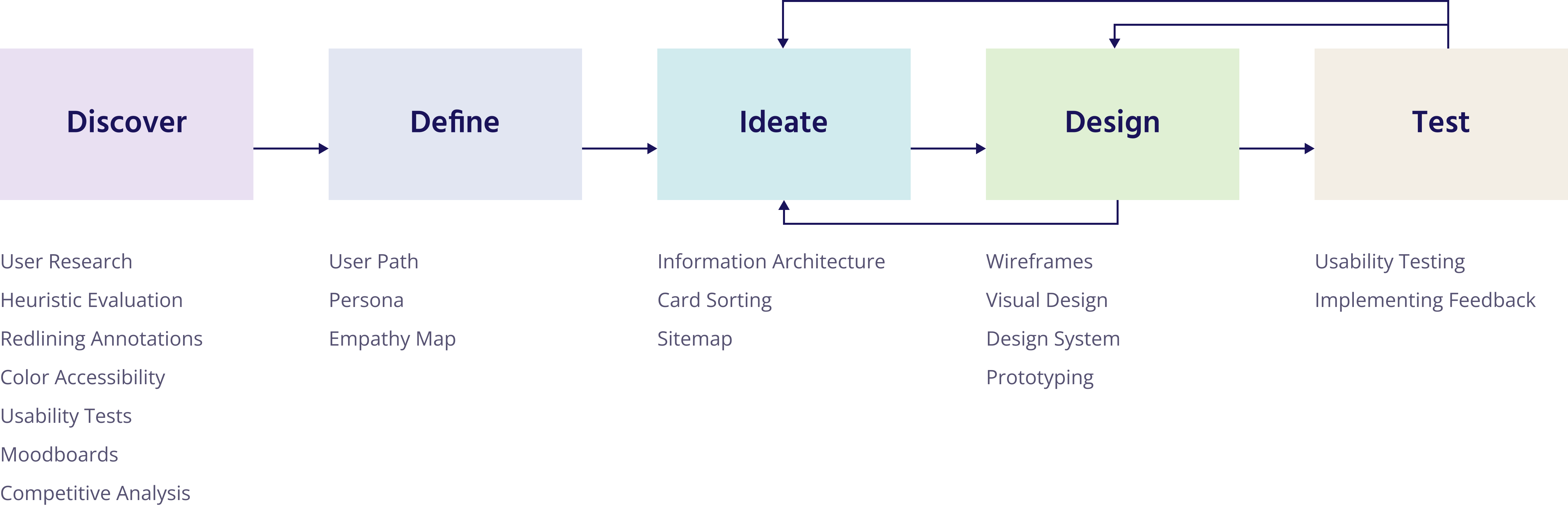
Discover, define, ideate, design, and test process

Research

Understanding Artists' Needs

I conducted five one-on-one interviews with artists seeking funding for personal projects and creative communities. Participants completed three tasks: discovering support programs, determining grant eligibility, and beginning an application.

Key Findings

  • The homepage did not immediately explain whom the organization served.
  • Funding and portal access needed clearer labels and hierarchy.
  • Deep navigation levels caused confusion.
  • Mobile pages removed useful location cues.
  • Buttons, icons, and imagery were inconsistent.
5

One-on-One Interviews

Artists looking for funding for their projects and art communities.

“It's sterile clean. Someone thought about it, but someone needs to think a lot more about it.”
3

Core Tasks

Find support programs, determine grant eligibility, and begin an application.

“It's kind of hard to tell what I am supposed to be doing with this site.”

Heuristic Evaluation

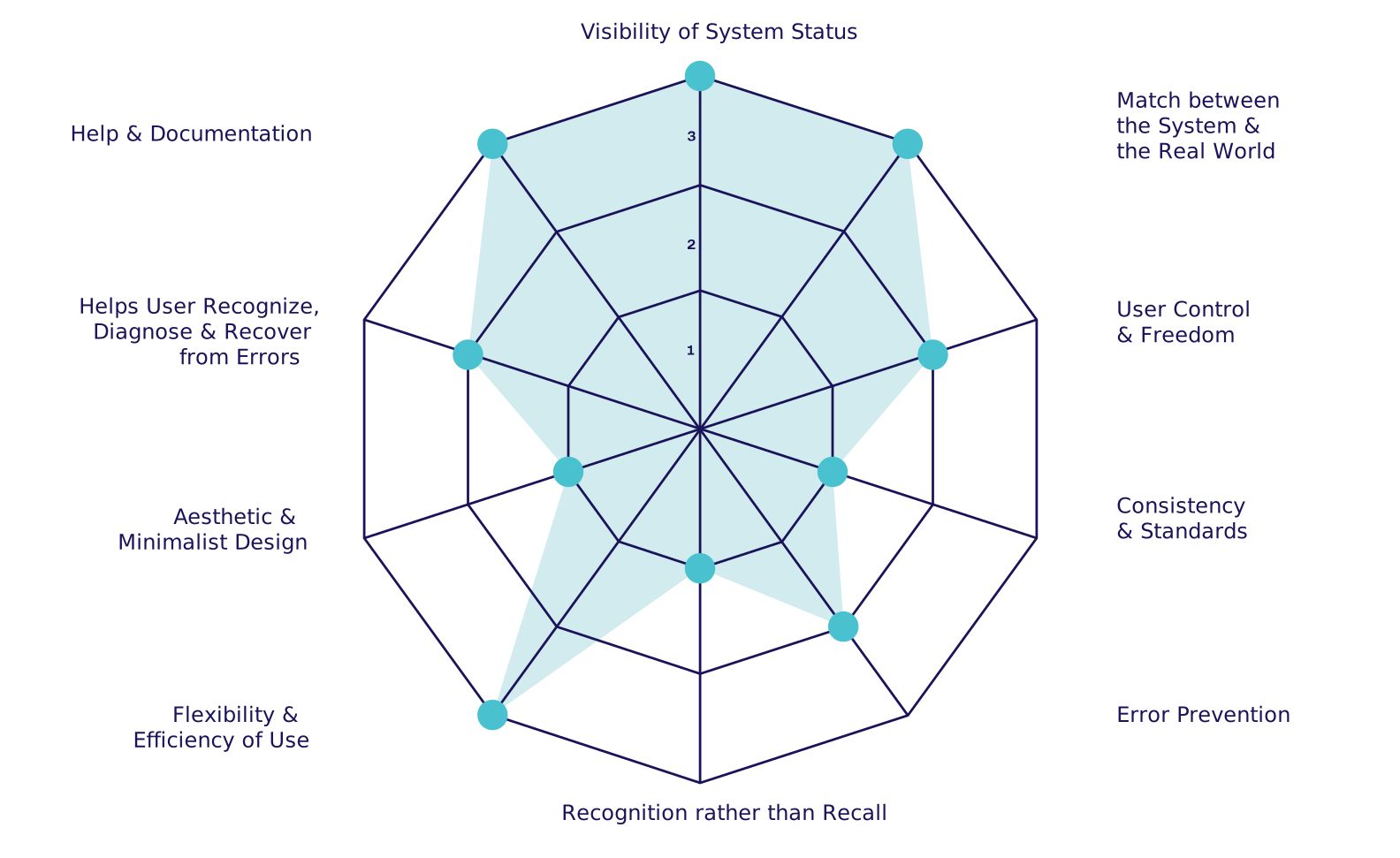
Heuristic evaluation radar chart

A heuristic evaluation identified issues with navigation consistency, recognition, error prevention, and visual hierarchy. Competitive analysis showed opportunities to make funding, artist resources, and national reach more visible.

Original Color Palette Analysis

Original website palette and accessibility analysis

Color testing identified combinations that did not provide sufficient contrast for text and interface elements. I adjusted the palette to improve readability and introduced visual cues inspired by Canada's national identity while maintaining the organization's established character.

User Persona

Artist representing the Sadie James user persona

Sadie James

33 · Painter · British Columbia

“It's hard to find funding opportunities that would help me sustain my artistic practice.”

Goals

  • Find relevant financial support
  • Understand grant eligibility
  • Access professional exposure
  • Offset material costs

Pain Points

  • Unstable income from art sales
  • Expensive materials and production
  • Difficulty finding relevant opportunities
  • Limited professional networks

User Path

The primary journey follows an artist from the homepage through funding discovery, grant selection, and application.

User path from homepage to grant application portal

Navigation Testing

Testing the Existing Experience

I conducted six navigation tests—three desktop and three mobile—to evaluate whether users could understand the site and locate support resources.

Common Issues

  • Participants became frustrated by navigation deeper than two levels.
  • Inconsistent dropdown behavior made navigation appear broken.
  • Mobile pages removed context that oriented users.
  • Existing page indicators did not sufficiently show location.

Information Architecture

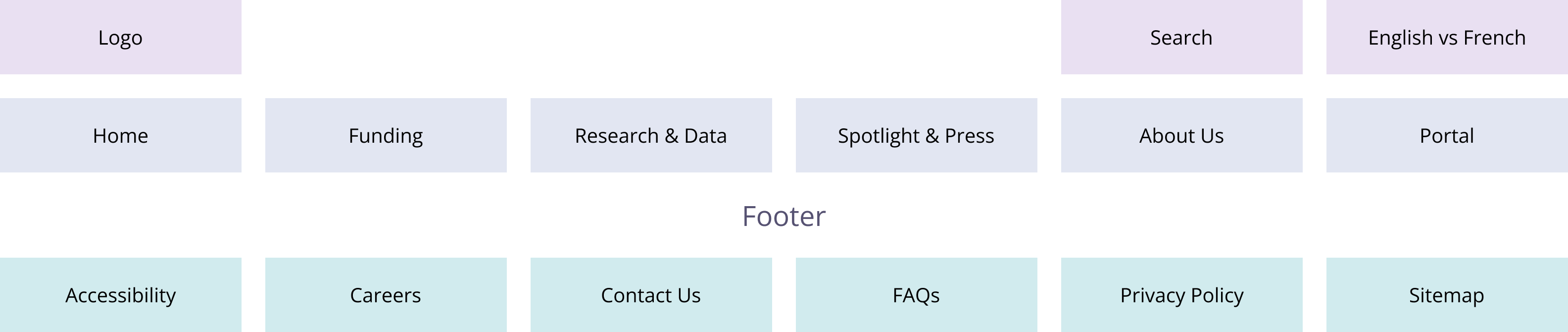
Based on the navigation tests, I simplified the primary navigation, consolidated overlapping content, and grouped related pages under clearer categories. This reduced the number of choices presented at once and created a more direct path to funding information.

Card Sorting

About Us

  • Priorities
  • Public Accountability
  • Strategic Plans

Funding

  • Grants
  • Prizes
  • Strategic Funds

Research

  • Research Library
  • Stats & Stories

Sitemap

Simplified Canada Council for the Arts sitemap

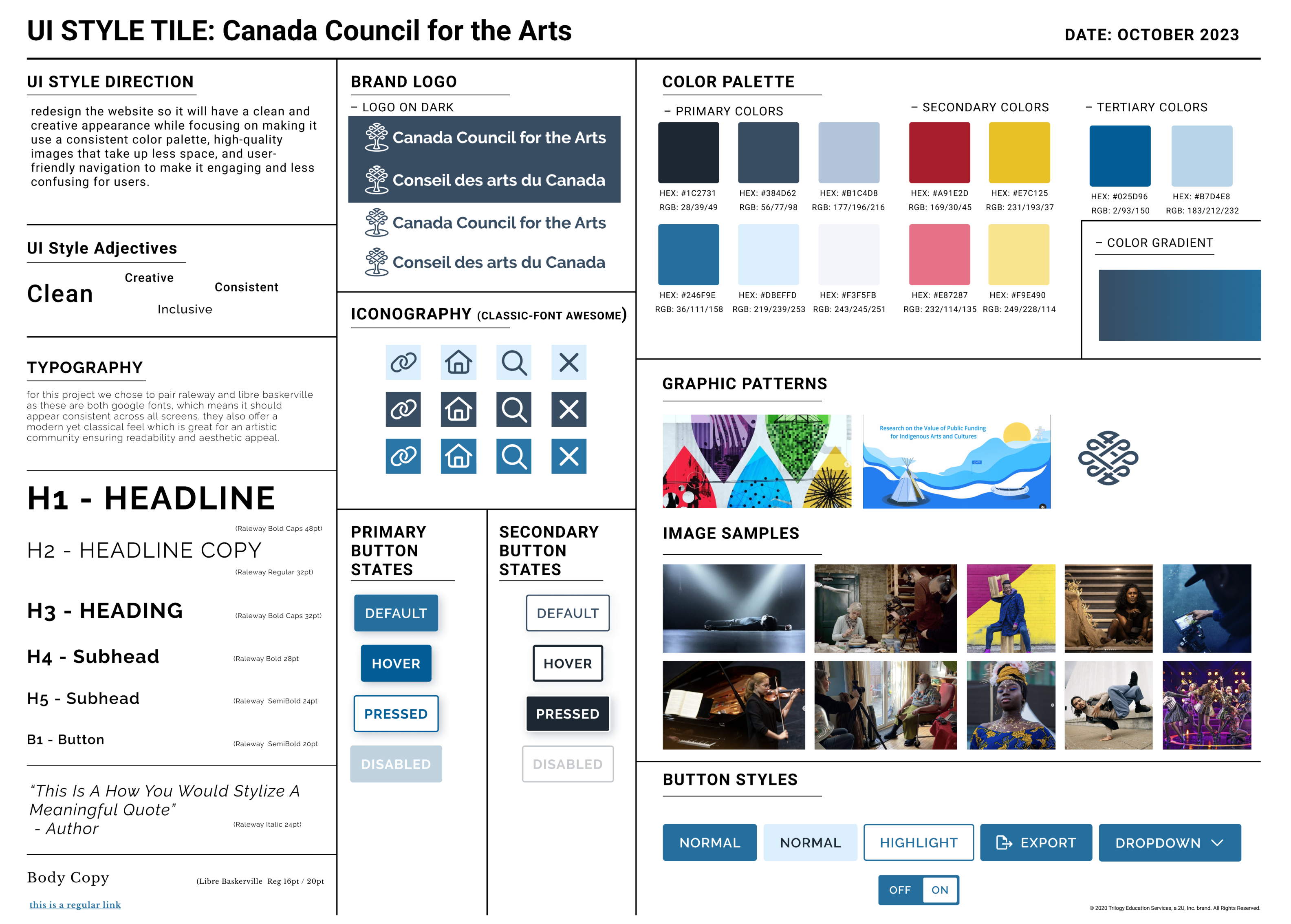
Brand Style Guide

Redesigned UI style guide including typography, colors, buttons, patterns, and imagery

Wireframes & Iteration

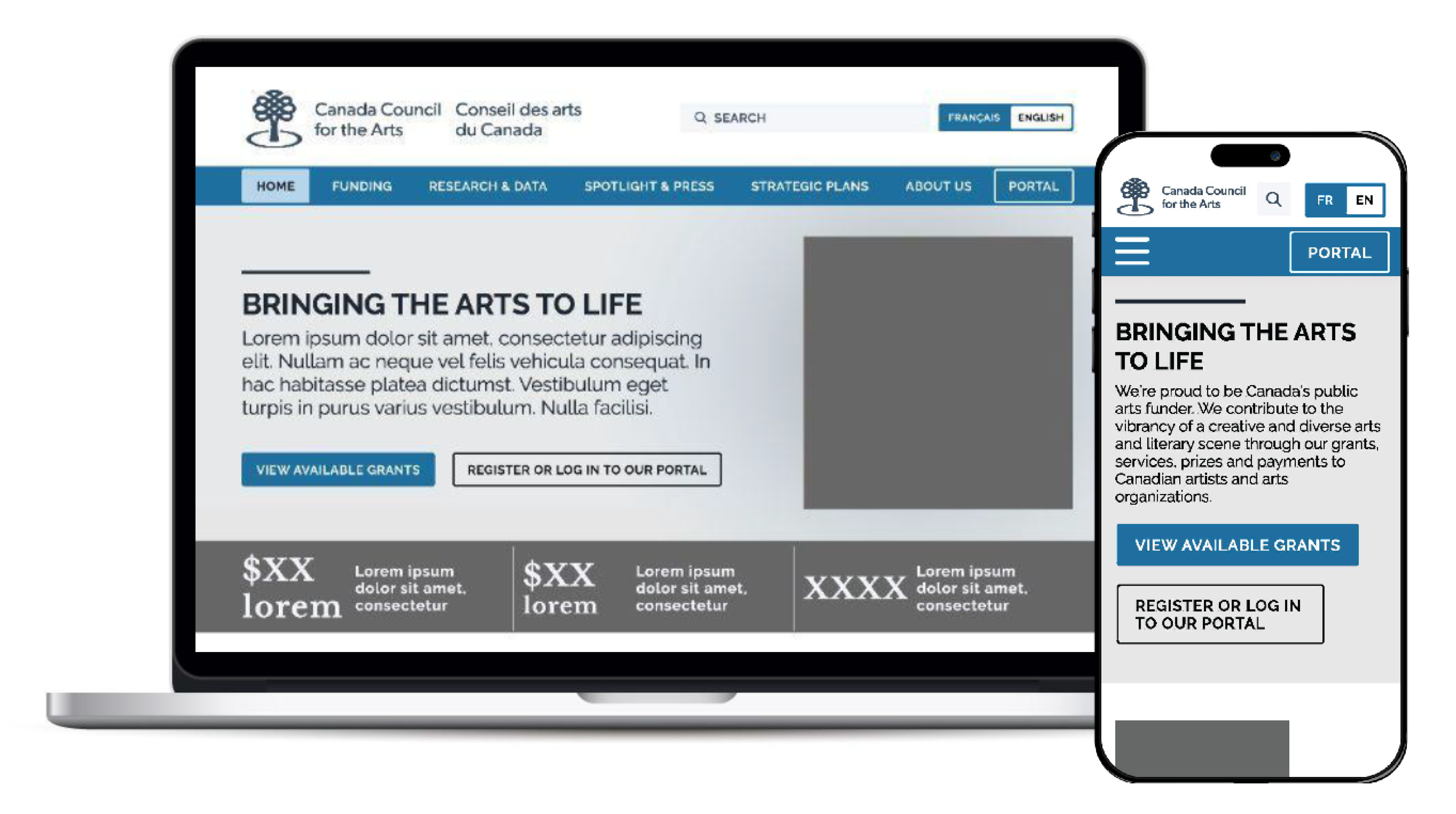
I translated the revised structure into responsive wireframes focused on content hierarchy, funding discovery, portal access, and consistency between desktop and mobile experiences.

Responsive desktop and mobile wireframes
Mid-fidelity desktop homepage iteration

Usability Testing

Low- & Mid-Fidelity Testing

I tested whether participants could identify the website's purpose and navigate to a grant. Early testing showed that “Bringing the Arts to Life” did not clearly communicate whether the site sought donations or provided funding to artists.

Changes Based on Testing

  • Replaced the abstract headline with a funding-focused message.
  • Changed “View Grants” to “Discover Funding Options.”
  • Identified artists as the primary audience.
  • Moved Strategic Plans under About Us.
  • Strengthened calls to action and location cues.

Result: Participants could identify the site's purpose and navigate to funding options more successfully.

High-Fidelity Testing

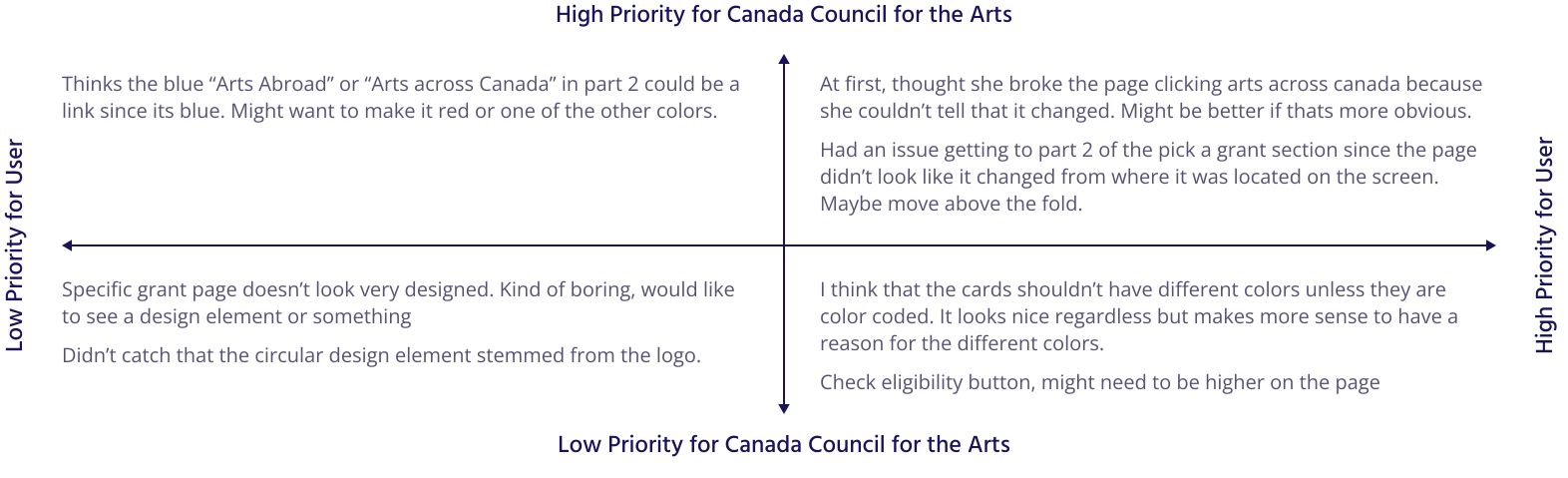
Priority matrix from high-fidelity usability testing

Findings from High-Fidelity Testing

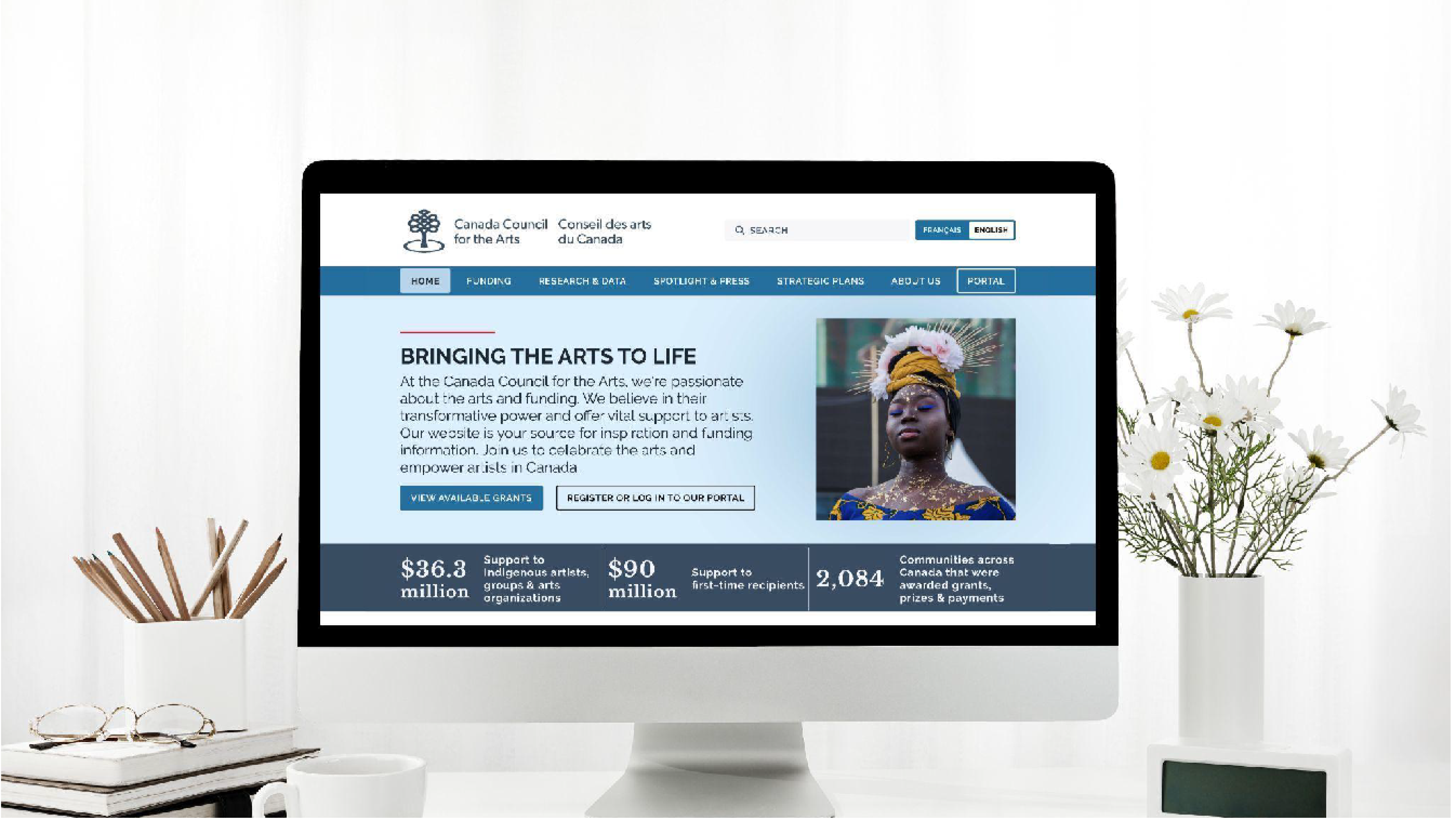
High-Fidelity Screens

High-fidelity responsive website pages

Interactive Desktop Prototype

Interactive Mobile Prototype

Final Thoughts

The final redesign creates a clearer path from funding discovery to grant application across desktop and mobile. Iterative testing improved the homepage message, navigation, calls to action, eligibility information, and visual consistency. This project demonstrates how I translate research findings into concrete interface decisions and refine those decisions through usability testing.